

Maastricht has over 2,000 years of history. From a Roman settlement to a medieval fortified town, from a wartime refuge to today’s vibrant cultural city. That history isn’t always visible, but it is certainly there. Hidden beneath your feet, tucked away in cellars, concealed within fortifications and preserved in buildings that most people pass by every day without knowing what lies within.
Each UNSEEN exhibition is small in scale but significant in impact. They tell stories of the eras that have shaped Maastricht: from Roman times and the Middle Ages to the Second World War and the Cold War. Sometimes poignant, sometimes surprising, but always worth discovering.
Dinghuis
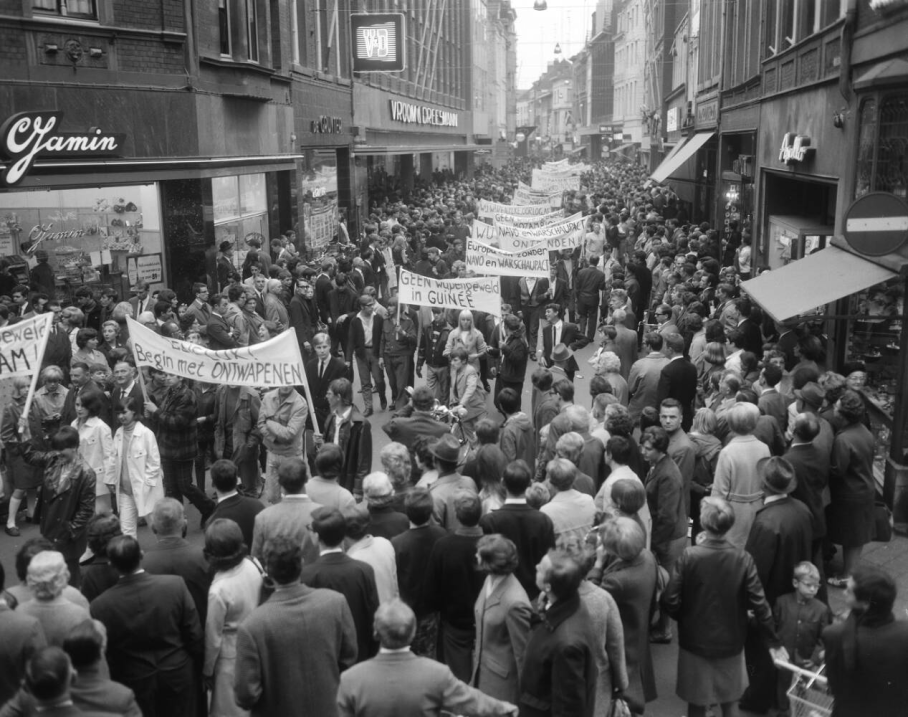
The Cold War: “We thought it was over…” - 11 to 25 October 2026
Step into a time when tensions between East and West were rising and the threat of a Third World War was very real. Between 1945 and 1991, the Cold War shaped not only world politics but also left a lasting mark on everyday life.
What did this period mean for Maastricht? And what traces of it can still be seen today? The exhibition The Cold War: “We thought it was over…” brings local history to life. Discover stories about civil defence, military service, shelters, and the peace and protest movements. Familiar objects – from preserving jars to toys – also show how the Cold War found its way into everyday life and even behind the front door.
During the autumn holidays, from 11 to 25 October 2026, the Dinghuis tells the story of the Cold War through a range of themes, for visitors of all ages. Open daily from 11.00 am to 3.00 pm. Free admission. The exhibition is not accessible to wheelchair users.
Find the full programme here.
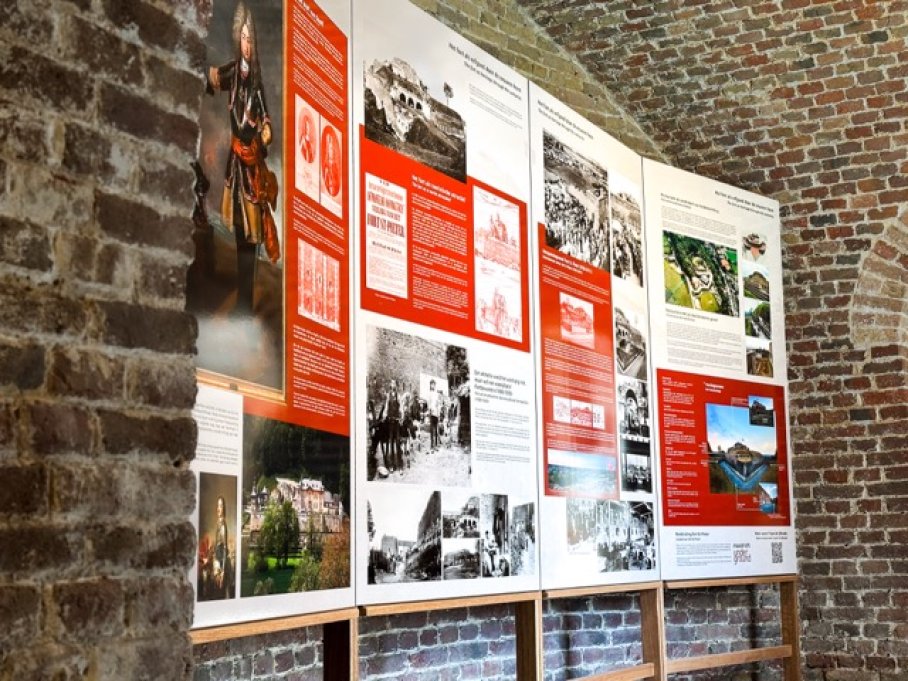
Caponnière at Fort Sint Pieter
The caponier (fortification) at Fort Sint Pieter is just such a place: strategic, imposing and quiet. And virtually unknown.
An exhibition has been set up here that brings to life the untold stories of the caves and the Fort of St Peter. It tells of the people who lived there, the extensive network of underground passages, and the role the fort once played in the city’s defence. Stories told through words and images, along with a small collection of fossils, can be discovered right here on site.
Luikerweg 80, Maastricht
Open daily
Free admission during the fort’s opening hours
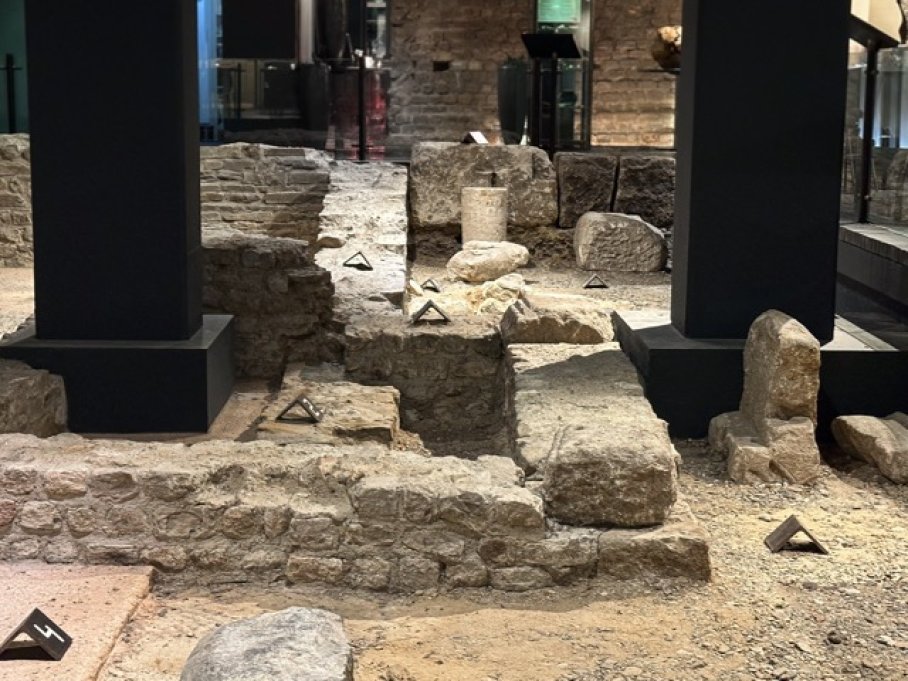
Derlon Museum Cellar
Maastricht’s Roman past is barely visible in the city. It lies beneath the surface, quite literally. The Derlon Museum Cellar is the exception: the only place in Maastricht where you can see the Roman past with your own eyes.
During excavations in 1983, a pre-Roman road, the remains of a Roman sanctuary and parts of a late Roman castellum were unearthed five to six metres below the current street level. This discovery was so remarkable that Hotel Derlon, the local council and the then Maastricht Tourist Office decided to preserve the site in situ and make it accessible to the public. The Roman remains now have the status of a national monument.
Entrance on Plankstraat, Maastricht
Every Sunday from 12 noon to 4 pm, a guide is on hand to tell you more about Roman Maastricht.
(except on Christmas Day and Carnival Sunday)
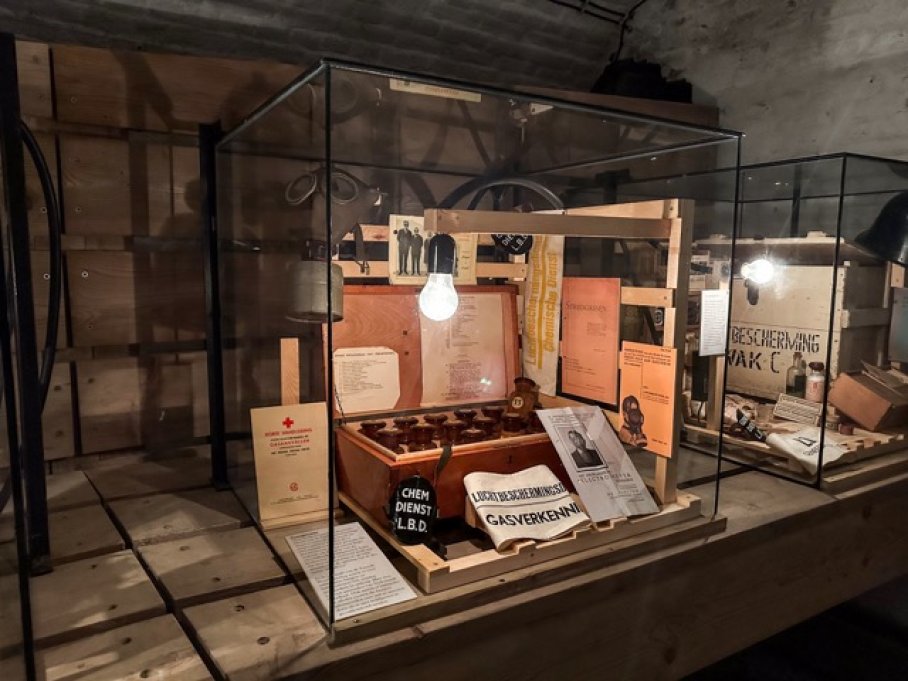
Air-raid shelter museum
Beneath Minister Goeman Borgesius Park lies an underground museum. It is easy to miss the entrance. During the Second World War and the Cold War, the air-raid shelters here served as a refuge for the people of Maastricht. They have been preserved and converted into a museum. They now tell the story of fear, preparedness and daily life during the most tense decades of the twentieth century.
Minister Goeman Borgesiusplantsoen 30, Maastricht
March to November, every third Sunday of the month, 2.00 pm to 4.00 pm
Dates 2026: 15 March · 19 April · 17 May · 21 June · 19 July · 16 August · 20 September · 18 October · 15 November
Dinghuis: changing exhibitions
The Dinghuis (1470) is one of Maastricht’s oldest buildings and has served many different purposes over the centuries. The Beletage, the floor that is normally closed to the public, will provide the setting for a series of special exhibitions in 2026.
The Cold War: “We thought it was over…” During the autumn holidays, from 11 to 25 October 2026, the Dinghuis tells the story of the Cold War through a range of themes, for visitors of all ages. Find out more here.
Kleine Staat 1, Maastricht
Opening hours depend on the current exhibition.
Follow us on social media for up-to-date information on our changing exhibitions.
Would you like to explore more of Maastricht?
In addition to these free exhibitions, Explore Maastricht offers guided tours and unique experiences exploring the city’s rich history, both above and below ground. From the caves beneath St Pietersberg to the casemates and Fort St Peter itself.