

From Roman settlement to fortified city: Maastricht's historical timeline
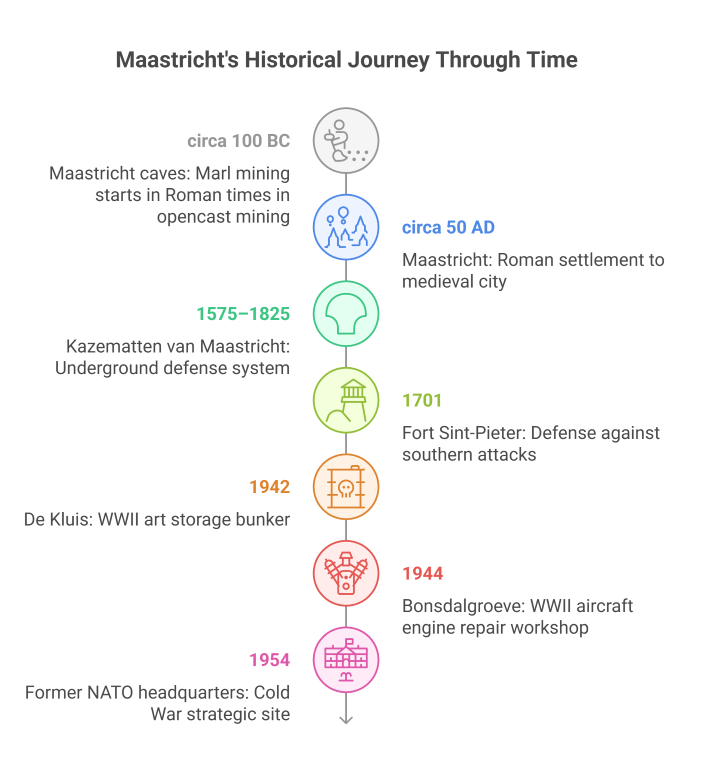
Below you will discover, in chronological order, which special locations of Explore Maastricht match each time period. So you can see how Maastricht developed through the centuries and what stories lie behind the monuments.
Roman period (ca. 100 BC - 400 AD)
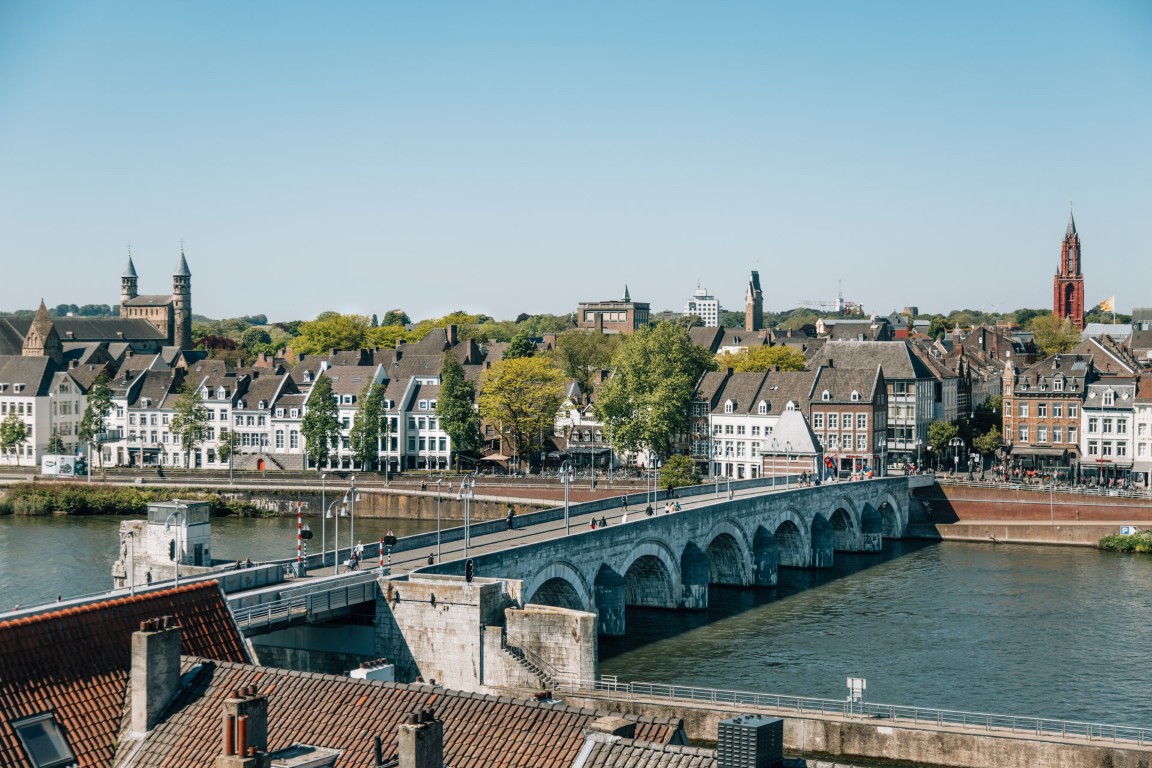
Maastricht's history begins as early as the time of the Romans. Its location on the river Meuse made this place strategically important. The Romans built a bridge there, a settlement (Traiectum ad Mosam), and laid the foundations for what would later become a thriving city. Marl was mined as early as Roman times, probably by opencast mining in open pits.
Middle Ages (c. 400 - 1500)
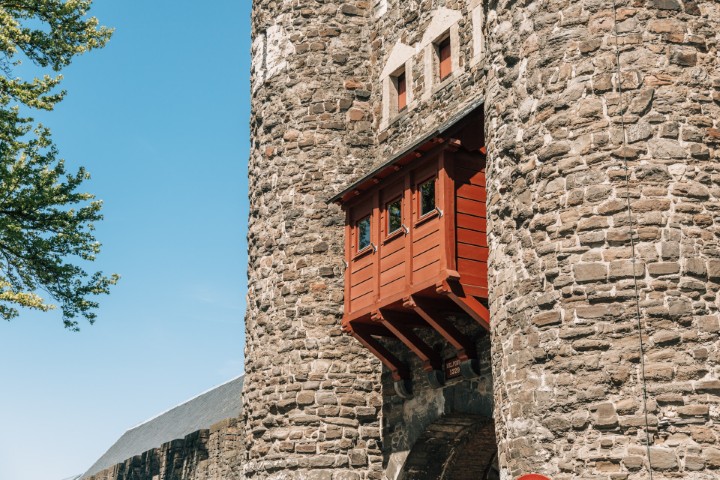
After the decline of the Roman Empire, Maastricht grew into a religious and commercial centre. The city gained city walls, monasteries and churches, some of which are still visible in the old city centre. During this period, iconic structures such as the Saint Servatius Basilica and the Help Gate and the Dinghuis came into being. The old city of Maastricht is a living museum where medieval history and Roman remains converge. As for the marl extraction, from the late Middle Ages onwards, mining moved underground and created the vast corridor system you can still visit today.
Spanish era and French era (c. 1500 - 1800)
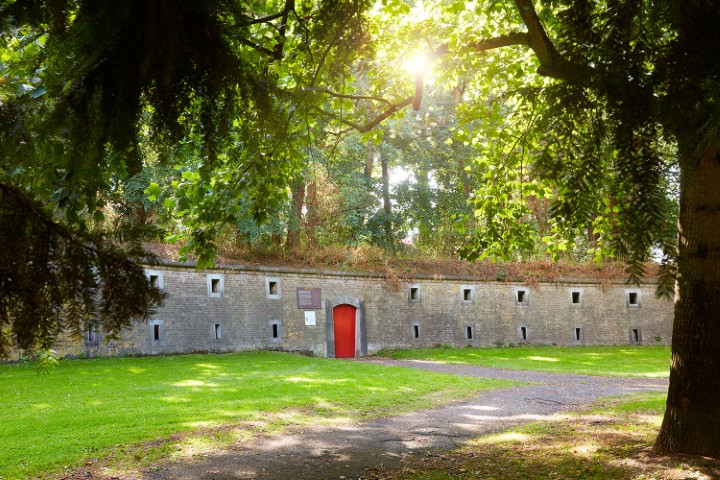
Because of its location, Maastricht was often besieged and conquered. During the Eighty Years' War (1568-1648), the underground defence network of the Casemates was constructed. These tunnel systems served as hiding places, defence methods and attack routes. Especially just before the French era, this network was further expanded. This period was one of conflict, but also of technical innovation in urban defence.
War of the Spanish Succession (early 18th century)
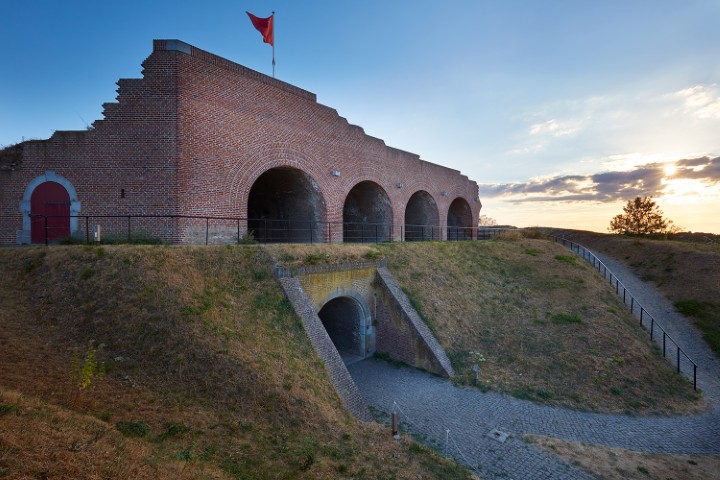
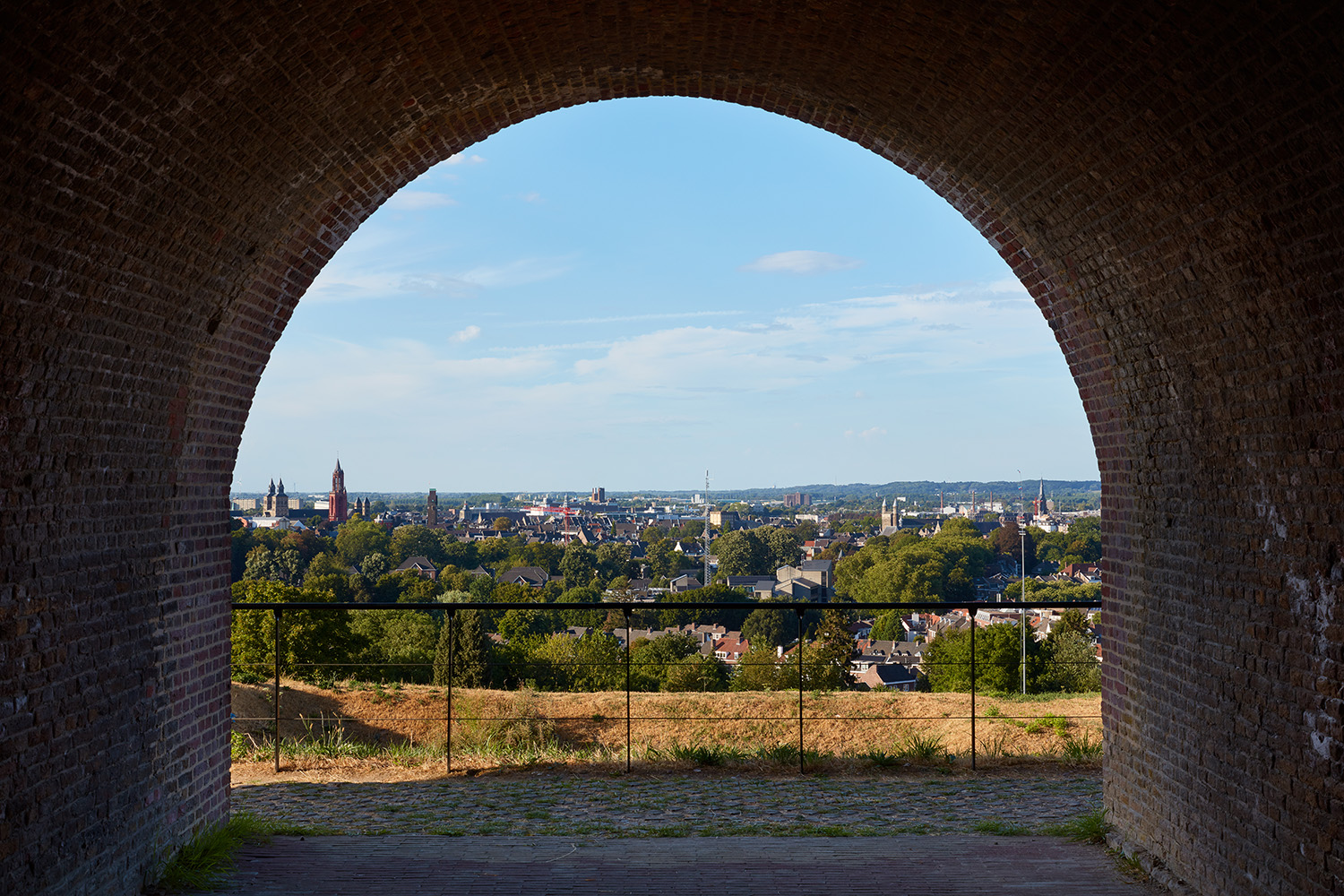
In 1701, Fort Sint-Pieter was built high above the city on Mount St Peter. This impressive fortress had to protect Maastricht from attacks from the south, especially during the French Revolution. With thick walls, embrasures and underground passages, it was an engineering feat of its time. Today, it offers not only an insight into military strategies, but also a spectacular view of the city.
Second World War (1940-1945)
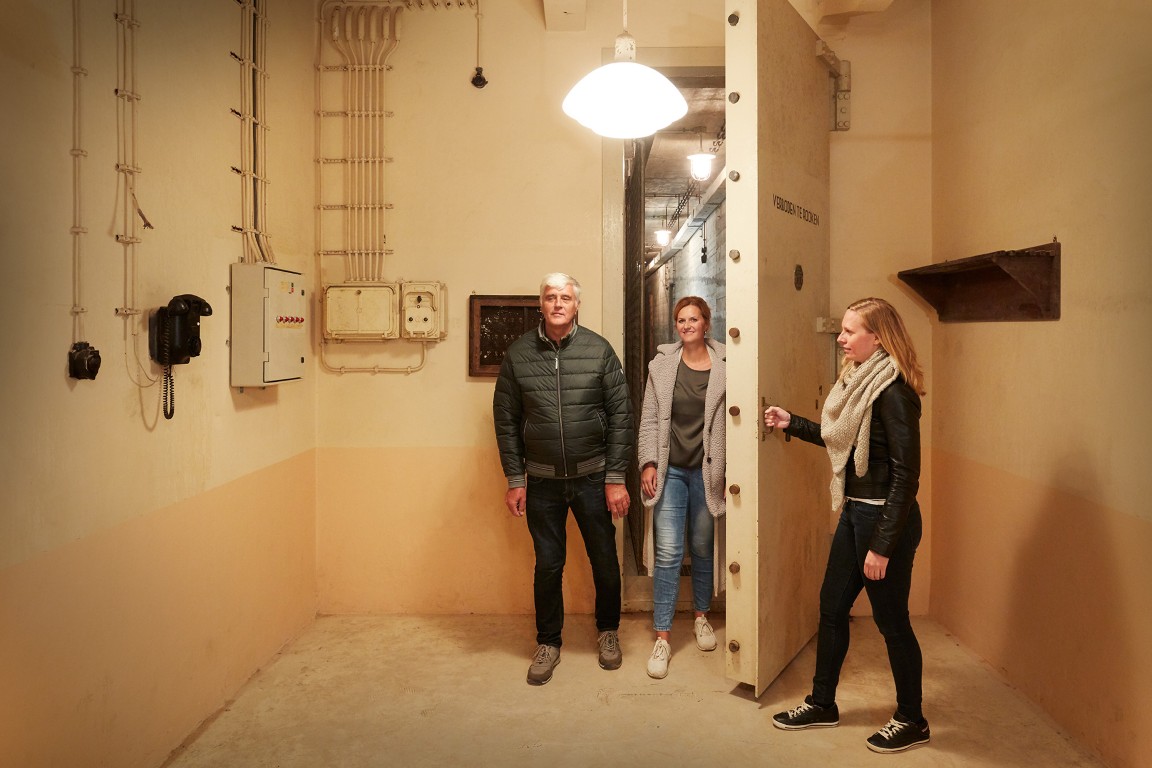
During World War II, Maastricht's underground Casemates provided protection from bombing raids. These centuries-old corridors served as shelters for the population. The caves of St Peter's Mountain were also given a special role. A concrete bunker, deep in the Caves North, housed the Vault (National Depository No 9). Over 800 works of art were stored here, including The Night Watch by Rembrandt. Also worth a visit is the Bonsdalgroeve - (just outside Maastricht in Houthem) - this was partly set up for German war industry in 1944, but before the workshops were fully operational, the area was liberated by US troops.
Cold War (1950 - 1990)
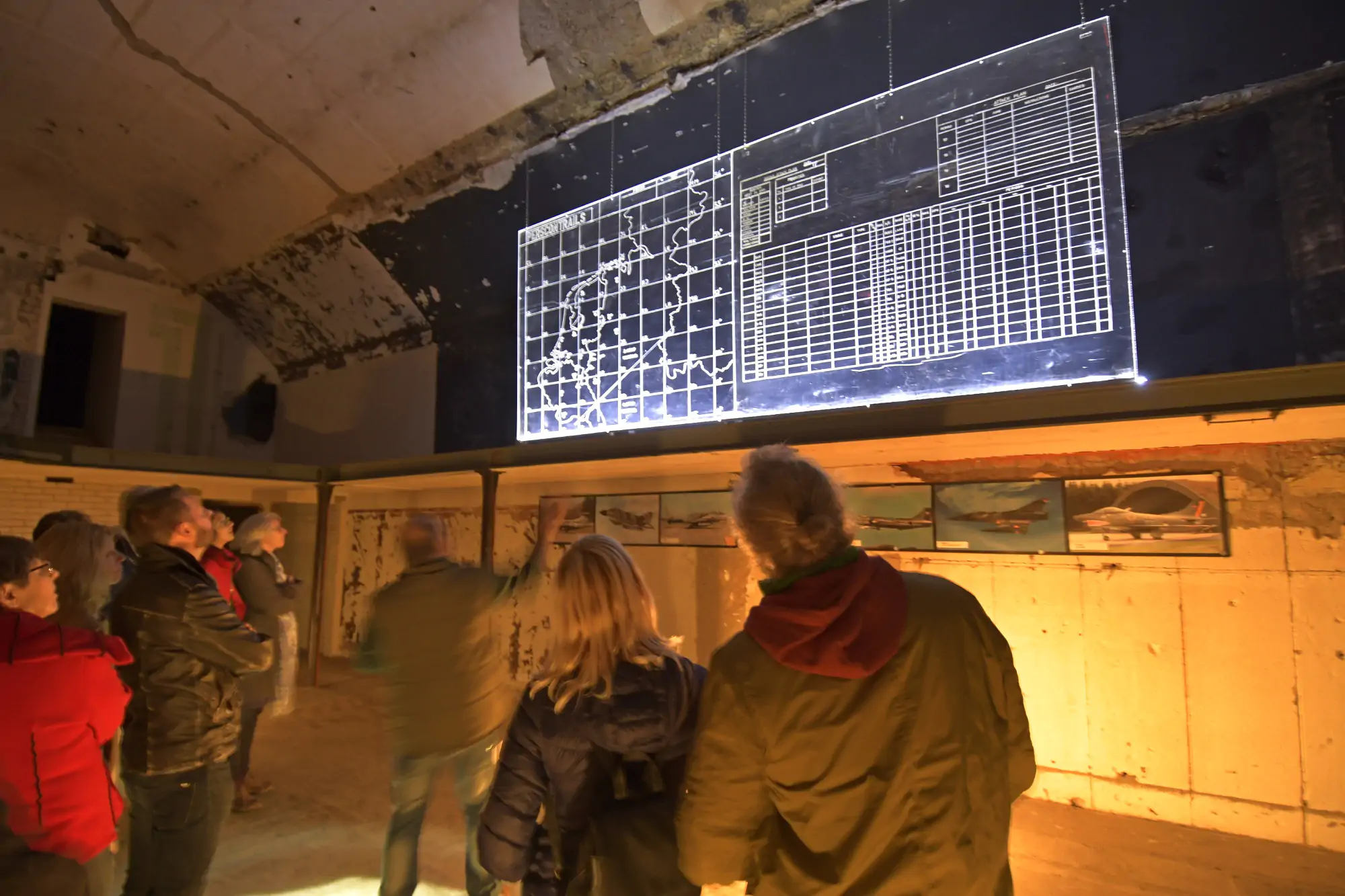
After World War II, Maastricht once again took on a strategic role, this time in the context of the Cold War. The former NATO headquarters in Maastricht served as a command centre for NATO troops on standby during tensions between East and West. This site is a rare relic from this period and shows how Maastricht remained relevant in international geopolitics well into the 20th century.
Travel through time with Explore Maastricht
You can experience every historical layer of Maastricht today:
> In the old city centre you can feel the beating heart of Roman and medieval Maastricht. Think Vrijthof, the Helpoort, the Basilica, the old city walls and the Dinghuis - which now houses the Maastricht Store and offices of Visit Maastricht.
> The Casemates take you back to the time of sieges. You walk through underground passages where soldiers defended the city against enemy troops.
> Fort Sint-Pieter towers over Maastricht. Discover how this imposing structure protected the city from enemy attacks.
> In the Maastricht caves , you walk through centuries-old corridors, at the bottom of a sub-tropical sea from the Cretaceous period. Discover how this system of corridors was created and who all lived there. The caves also served as bunkers or workshops in WWII. Such as The Vault; an art bunker that was used as a shelter for historical works of art. And the Bonsdalgroeve, set up as an underground workshop for repairing aircraft engines.
> The former NATO headquarters is a rare reminder of the Cold War. Today, here you can see how Maastricht was part of international military strategy.
Why Maastricht's history will surprise you
Maastricht's history is more than a story - it is an experience. Explore Maastricht's unique locations allow you to get to know the city like you can't anywhere else. Whether you are fascinated by medieval city walls, underground passages or the tensions of the Cold War: in Maastricht, history impressively comes to life.
Let yourself be carried away by Maastricht's history. Book your visit via Explore Maastricht and experience for yourself the time layers of this unique city!